

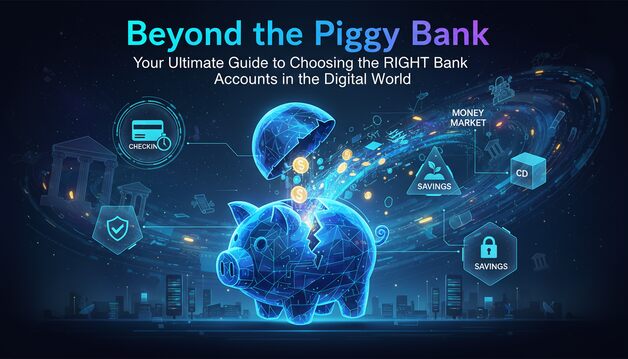
Feeling overwhelmed by the sheer volume of bank account options available? You’re not alone. In today’s digital age, choosing the right “home” for your money is more critical than ever, impacting your financial success and peace of mind. This guide will demystify bank accounts, exploring their history, current trends, potential pitfalls, and future innovations, empowering you to build a solid personal finance foundation and achieve financial well-being.

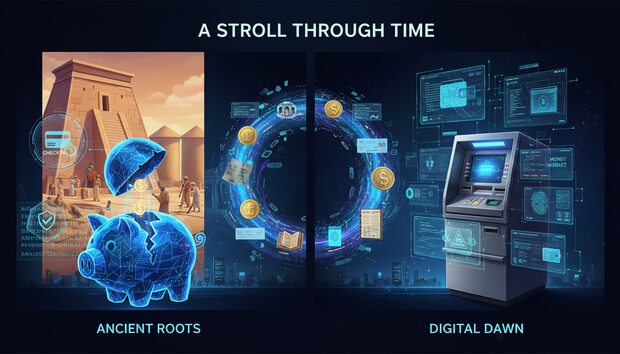
I. A Stroll Through Time: The Ancient Roots of Modern Banking
The history of banking spans millennia, driven by the fundamental human need to store, protect, and exchange value.
- Ancient Mesopotamia (c. 2000 BCE): Temples served as early banks, safeguarding grain and valuables. The Code of Hammurabi included regulations for these institutions.
- Ancient Greece and Rome: Trapezitai (money changers) facilitated trade. Romans formalized banking with systems for bills of exchange and loans.
- Middle Ages: Italian merchant families like the Medici built vast banking empires. Double-entry bookkeeping emerged during this era.
- 1400s: London goldsmiths began issuing receipts for deposited gold, which circulated as currency. The invention of the check streamlined transactions.
- Modern Foundations: Institutions like the Bank of England laid groundwork for contemporary banking systems.
- Digital Age: Computer banking was introduced in the 1950s.
- 1967: The invention of the ATM revolutionized cash access, making it a 24/7 convenience.
II. Meet Your Money Crew: Essential Bank Accounts Demystified
Understanding the “core four” essential bank account types:
1. Checking Account
Purpose: The primary account for everyday transactions, bill payments, and direct deposits.
Key Features: Debit card, online/mobile banking, bill pay, widespread ATM access.
Considerations: Typically offers low or no interest. High-yield checking accounts are an option for earning interest. Vigilance regarding fees is crucial.
2. Savings Account
Purpose: For storing funds for future goals, such as emergency funds or down payments.
Key Features: Earns interest (especially high-yield savings accounts). Deposits are federally insured up to $250,000 by the FDIC (banks) or NCUA (credit unions).
Considerations: Designed for saving; withdrawal limits per month are common.
3. Money Market Account (MMA)
Purpose: A hybrid account blending features of savings and checking accounts.
Key Features: Typically earns higher interest rates than traditional savings accounts. Often includes check-writing privileges and debit card access.
Considerations: Usually requires higher minimum balances than standard savings accounts.
4. Certificates of Deposit (CDs)
Purpose: For long-term savings with guaranteed returns.
Key Features: Fixed interest rate for a specified term (months to years). Longer terms generally offer higher rates. Federally insured.
Considerations: Early withdrawal typically incurs a penalty, unless a “no-penalty CD” is chosen.
Federally Insured Accounts: Ensure accounts are federally insured by the FDIC or NCUA for security.
III. The Current Buzz: What’s Hot in Banking (and What Experts Are Saying)
The banking landscape is shaped by technology and evolving consumer demands.
Key Trends
- Digital Dominance: 96% of US consumers have accounts with financial institutions, with a majority using digital channels. Mobile payments and neobanks are growing.
- Consumer Priorities: Top demands include robust digital tools, strong security, excellent customer service, and competitive interest rates. Consumers are willing to switch banks for better deals but often find the process daunting.
- Generational Differences: Millennials often prioritize savings accounts, while Boomers may favor CDs.
Expert Playbook for Choosing a Bank Account
- Scrutinize Fees: Be aware of all potential charges.
- Prioritize Interest Rates: Especially for savings and MMAs; online banks often excel here.
- Assess Accessibility & Convenience: Look for ATM networks, mobile check deposit, online bill pay, and user-friendly apps.
- Seek Beyond Basics: Consider extra perks, budgeting tools, and transparent terms.
- Shop Around: Compare offerings from traditional banks, credit unions, and FinTech providers.
Popular Providers: SoFi, Ally, Chase, Capital One 360, and other high-yield savings champions are frequently mentioned.
IV. Banking’s Bumps and Bruises: Controversies & Hidden Traps
Awareness of potential pitfalls is crucial for financial protection.
Bank Fees
- Overdraft Fees: High costs and historical practices of reordering transactions to maximize these fees have drawn criticism.
- Other Common Fees: Maintenance fees, minimum balance fees, out-of-network ATM fees, inactivity fees, foreign transaction fees.
- Defense: Read fine print and review account statements diligently.
Ethical Banking
- Concerns: Lack of transparency, potential conflicts of interest, investments in controversial industries, and accusations of facilitating tax evasion.
- “Greenwashing”: Be wary of banks promoting an ethical image without substantive action.
- Definition: Prioritizing social and environmental responsibility alongside profit.
Accessibility Challenges
- Physical Barriers: Limited wheelchair access, non-audio-enabled ATMs.
- Digital Hurdles: Website/app navigation issues for visually impaired users, inaccessible CAPTCHAs, unreadable PDFs.
- Importance: Addressing these issues is crucial for legal compliance (ADA, WCAG) and ensuring universal access to banking services.
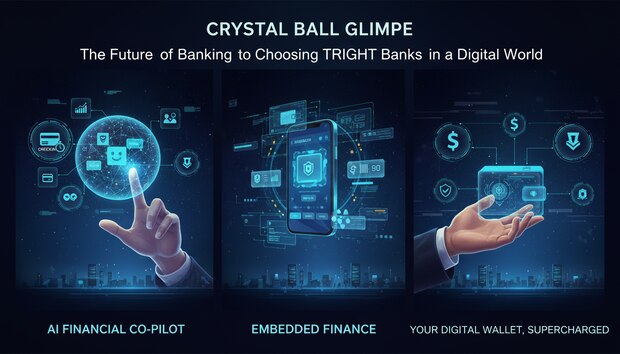
V. Crystal Ball Glimpse: The Future of Your Funds
The future of banking promises personalization, automation, and seamless integration.
AI in Banking
- Applications: Customized savings plans, personalized investment advice, and potentially “emotional AI” for financial mood support.
- Generative AI: Could serve as a 24/7 virtual financial advisor.
Embedded Finance & Open Banking
- Embedded Finance: Accessing banking services directly within other apps.
- Open Banking: Securely sharing financial data (with consent) for real-time insights and automated budgeting.
Key Future Innovations
- Real-time Payments: Expected to become the norm.
- Blockchain Technology: May facilitate faster, more efficient cross-border transactions. Stablecoins are a notable development.
- Digital-Only Banks (Neobanks): Continued innovation with lower fees and enhanced user experiences.
- Digital Wallets: Will become more powerful, managing traditional money, tokenized deposits, and smart contracts.
- Security: AI and ML will be critical for fraud detection and compliance.
Conclusion: Your Banking Dream Team Awaits!
This guide has provided a comprehensive overview of bank accounts, from their historical roots to their future trajectory. Armed with this knowledge, you can make informed decisions to select the best bank accounts that align with your financial goals and lifestyle. Curate your financial dream team and take control of your personal finance strategy to work towards financial freedom.
Disclaimer: This blog post is for informational purposes only and does not constitute financial or investment advice. The content is intended to provide general guidance on choosing bank accounts. Always consult with a qualified financial professional before making any financial decisions. The website wealthintelreport.com is not responsible for any losses or damages incurred as a result of using the information provided. *